
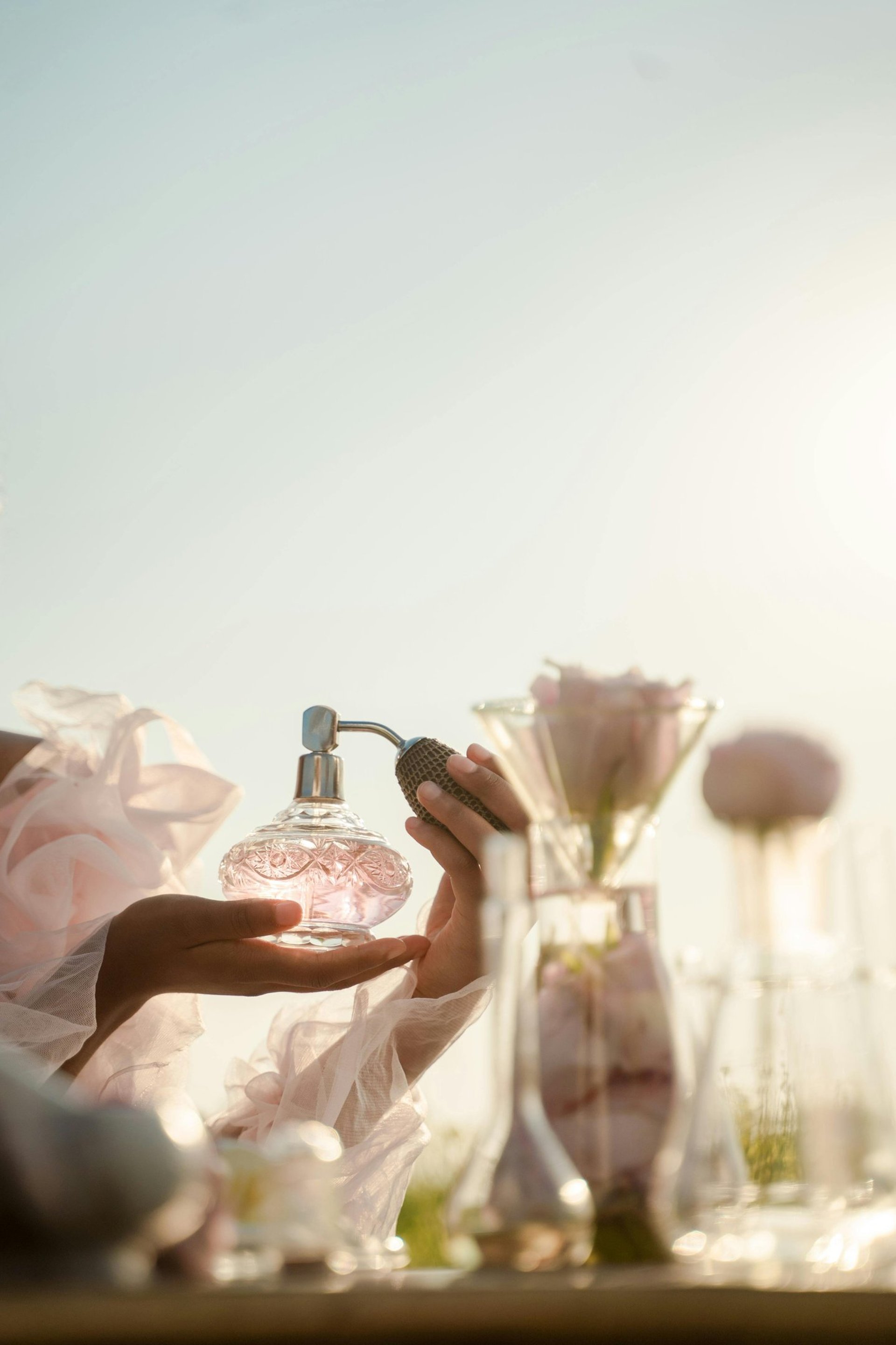
The Aura Edit: The Art of Modern Aging — A Luxury Skincare Ritual
A modern luxury skincare ritual that honors aging with grace, reverence, and quiet sophistication — featuring science-backed, sensorial products that celebrate skin’s evolution.
SCENT & SOUL
Aurora Vale
2 min read
Aging announces itself first in small ways. In the way skin remembers yesterday’s expression a moment longer than it used to. In how the mirror reflects not loss, but accumulation — of weather, laughter, stress, care. Modern aging, when approached without panic, feels less like decline and more like sedimentation. A life settling into itself.
Luxury, here, is not the promise of reversal. It is the permission to remain intact.
For years, the cultural narrative around skin has been one of correction. Erase this. Tighten that. Undo the visible record of living. But refinement, I’ve found, moves in the opposite direction. It asks not how to look younger, but how to age without violence — how to tend to the body with the same respect given to well-worn leather or a favorite book whose spine has softened with use.
This is why skincare, in a curated life, becomes ritual rather than pursuit. The skin is not a surface to conquer, but an organ to support. When care is approached as maintenance rather than management, something subtle shifts. The nervous system settles. The mirror becomes neutral territory again.
The ritual begins with touch.
Not hurried, not corrective. Hands moving slowly, deliberately, as if greeting rather than fixing. Cleansing becomes an act of release — the day dissolving under warm water, the face returning to itself. There is dignity in this moment. A recognition that skin holds memory, and deserves gentleness in return.
Then comes nourishment.
A cream or oil applied without urgency, pressed rather than rubbed. The sensation is less about outcome and more about presence — the quiet relief of moisture meeting dryness, of barrier restored. Over time, the skin learns this rhythm. It responds not with spectacle, but with steadiness.
There is also the luxury of consistency.
Using the same formulations long enough for the body to trust them. No cycling, no chasing novelty. The skin relaxes when it is no longer asked to adapt constantly. What emerges is not perfection, but equilibrium — a surface that feels calm, resilient, unreactive.
Light plays its part.
A bathroom illuminated softly in the evening. Morning light welcomed without scrutiny. The ritual does not demand inspection. It unfolds without judgment, allowing the face to exist without assessment. This restraint protects more than skin; it preserves self-perception.
Time, too, becomes an ingredient.
Not as an enemy, but as a collaborator. Fine lines are not negotiated with. They are allowed to arrive as markers of expression, not failure. Aging well is not about absence of change, but coherence through it. Skin that looks lived-in, cared-for, respected.
What makes this ritual luxurious is not rarity or cost. It is intention. The refusal to treat aging as a problem to be solved. The decision to engage in care that sustains rather than corrects.
Over years, this approach alters more than appearance.
It shapes posture at the sink. It softens the internal voice. It reinforces an identity that values longevity over urgency, maintenance over performance. The ritual becomes a daily affirmation that presence is sufficient.
Modern aging, practiced this way, does not seek applause. It moves quietly, steadily, alongside the life it reflects. And in that quiet continuity, the skin — and the self — are allowed to age with grace, without resistance.
Curated insight for a life of
quiet elegance, beauty, and discernment.
© 2025 The Aurora List. All rights reserved.
Curated by Aurora Vale.
The Aurora List
This platform earns through affiliate partnerships — but integrity leads every link.
Based online — shared with intention, not location.
Correspondence
hello@theauroralist.com